
Tag: Pediatric Ophthalmology
-
Visual electrophysiology for infants and young children continues to evolve
Poor fixation-and-following behavior in infants and young children can stem from a wide range of underlying causes. Diagnostics with imaging modalities such as fundus photography, fundus autofluorescence, fluorescein angiography, and optical coherence tomography are possible but typically require anesthesia. The saccadic vector optokinetic perimeter (SVOP), with its built-in eye-tracking system, was intended as a substitute…
-
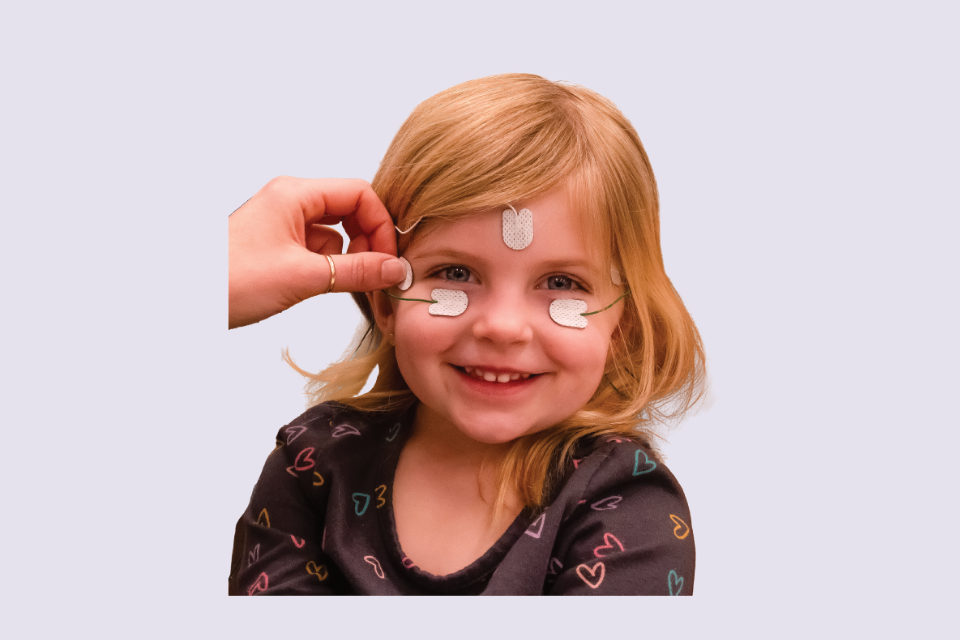
ERG for children
Discover the abridged ERG for children. Full-field ERG is a pivotal diagnostic tool for detecting generalized retinal dysfunction and identifying functional abnormalities within the retina. The International Society for Clinical Electrophysiology of Vision (ISCEV) ERG sets the gold standard for this testing method by defining stimulus and recording parameters. These parameters are designed to trigger…
-
Pediatric Conditions
There are several pediatric disorders that may cause vision loss or blindness in children due to retinal, visual pathway, or cortical pathology. The objective data obtained by electroretinograms, electrooculargrams, and visual evoked potentials are an integral part to the diagnosis and monitoring of infants and children either with or suspected of having visual impairment. References…